Benefits of Curbside Leaf Recycling in Grand Rapids and Surrounding Areas
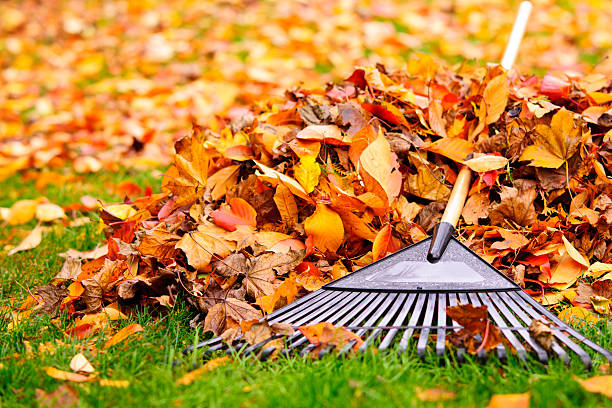
Curbside leaf recycling has become an important part of sustainable waste management for growing communities and commercial districts. Instead of sending yard waste to landfills, recycling programs help convert fallen leaves into useful organic materials. For businesses and property managers operating in developing zones and nearby communities, this service supports environmental responsibility while improving neighborhood cleanliness and efficiency.
Why is curbside leaf recycling environmentally beneficial?
Leaf recycling reduces the amount of organic waste sent to landfills. Decomposing leaves in landfills can produce harmful gases. Recycling turns this waste into compost or mulch. This supports healthier soil and greener environments.
How does leaf recycling improve waste management efficiency?
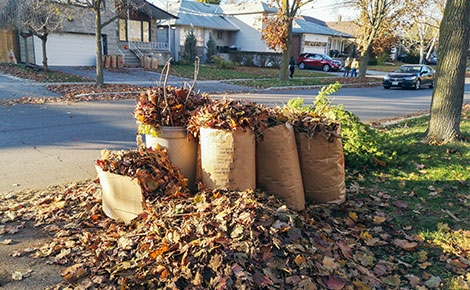
Curbside collection streamlines the disposal process for large volumes of yard waste. It prevents accumulation of debris on commercial properties. Organized collection reduces manual handling. This leads to cleaner surroundings.
Can recycled leaves support soil health?
Yes, processed leaves are often turned into nutrient-rich compost. This material improves soil structure and fertility. It supports plant growth in landscaping projects. Recycled leaves contribute to sustainable land care.
Does curbside recycling reduce landfill pressure?
Recycling diverts organic material from waste facilities. This helps extend landfill capacity. Reduced waste accumulation supports long-term sustainability. It benefits both businesses and communities.
How does leaf recycling enhance community appearance?
Regular curbside pickup prevents clutter and decay. Clean streets improve visual appeal. Well-maintained surroundings reflect positively on commercial areas. This supports a professional environment.
Is leaf recycling cost-effective for businesses?
It reduces the need for private disposal services. Centralized collection lowers operational expenses. Efficient waste handling saves time and resources. This makes it a practical solution.
Does recycling support sustainability goals?
Yes, it aligns with environmentally responsible practices. Businesses can demonstrate commitment to green initiatives. Sustainable waste handling improves environmental impact. It also enhances brand reputation.
Can curbside programs improve operational convenience?
Scheduled pickups eliminate the need for onsite storage. This reduces clutter on commercial properties. Consistent service supports smoother operations. Convenience improves efficiency.
How does leaf recycling contribute to local ecosystems?
Recycled materials help restore soil nutrients. Compost supports plant and tree health. Healthy vegetation benefits wildlife habitats. This promotes ecological balance.
Does participation encourage responsible waste habits?
Yes, curbside recycling fosters awareness of sustainable practices. Businesses become more conscious of waste management. This encourages long-term environmental responsibility. It supports cleaner communities.
Final Thoughts
Curbside leaf recycling offers both environmental and operational benefits for commercial properties. Businesses operating in growing zones and nearby communities can improve cleanliness while supporting sustainability. Participating in recycling initiatives helps create healthier surroundings and contributes to long-term waste reduction efforts.
What happens to collected leaves?
They are typically processed into compost or mulch.
Is curbside recycling available year-round?
Availability often depends on seasonal collection schedules.
Can businesses participate in these programs?
Many programs support commercial properties.
Does recycling reduce disposal costs?
It may lower private waste handling expenses.
Is leaf compost useful for landscaping?
Yes, it enhances soil quality and plant growth.
Address: Based in Grand Rapids, MI
phone: +1 616-407-0044
Email: [email protected]