Leaf Pickup Industry Compliance Requirements in Holland and Surrounding Areas
Leaf pickup industry compliance in Holland, Michigan is guided by municipal ordinances, seasonal collection programs, and state environmental regulations. Contractors and property owners in Holland, Zeeland, Grand Haven, West Olive, and Holland Charter Township must follow specific requirements for curb placement, separation of yard waste, and approved disposal methods. These regulations are designed to protect stormwater systems, prevent illegal dumping, and ensure leaves are composted or recycled properly. Understanding compliance standards helps businesses avoid fines while maintaining clean and safe neighborhoods throughout the region.
What Are the Basic Leaf Pickup Compliance Requirements in Holland?
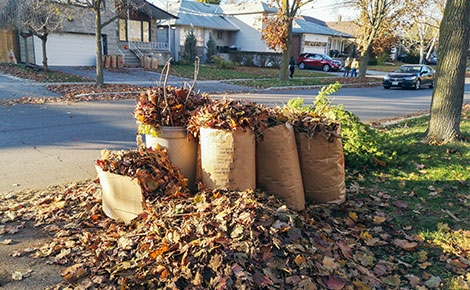
Leaf pickup providers in Holland must follow city-approved seasonal schedules and placement guidelines. Leaves are typically required to be placed in designated curbside areas without obstructing sidewalks or storm drains. Mixing yard waste with household trash is not permitted under local regulations. Contractors must ensure collected materials are transported to approved composting or recycling facilities. Following these guidelines helps maintain public safety and environmental standards across the city.
How Do Seasonal Leaf Collection Programs Affect Industry Compliance?
Seasonal programs in Holland and surrounding areas such as Zeeland and Grand Haven determine when leaves can be placed at the curb. Service providers must coordinate operations around official fall and spring cleanup periods. Collecting outside designated windows may lead to noncompliance issues. Staying updated with municipal announcements ensures contractors operate within approved timelines. Proper scheduling prevents service delays and municipal violations.
What Are the Rules for Yard Waste Separation?
Industry compliance requires that leaves and yard debris remain separate from general refuse. Grass clippings, branches, and organic materials must be handled according to municipal waste guidelines. In Holland Charter Township, brush may need to be bundled or separated before collection. These separation requirements ensure efficient composting and recycling. Proper sorting also reduces contamination in local waste streams.
Are There Specific Regulations for Composting and Disposal?
Collected leaves must be delivered to licensed composting or recycling facilities in accordance with Michigan environmental standards. Dumping organic waste in unauthorized areas or waterways is prohibited. Compost operations must follow containment and material guidelines to prevent nuisance conditions. Contractors working in West Olive and nearby communities must verify disposal site approvals. Responsible processing supports sustainability goals throughout Ottawa County.
How Does Stormwater Protection Impact Leaf Pickup Compliance?
Leaves placed improperly can block storm drains and create flooding risks. Holland regulations require that leaf piles remain clear of drainage systems and road hazards. Industry providers must train crews to avoid pushing debris into streets or waterways. Compliance protects water quality and reduces infrastructure damage. Maintaining clear drainage channels is a key environmental priority in the region.
What Permits or Licenses Are Required for Leaf Pickup Services?
Commercial leaf pickup businesses operating in Holland and surrounding towns may need local business licenses and waste hauling permits. Requirements can vary between the City of Holland and Holland Charter Township. Companies must also comply with state waste transportation laws. Ensuring all documentation is current protects businesses from penalties. Proper licensing demonstrates professionalism and regulatory awareness.
What Happens If Leaf Pickup Regulations Are Violated?
Failure to comply with municipal yard waste regulations may result in civil fines or enforcement actions. Violations can include improper disposal, missed seasonal guidelines, or obstructing public property. Repeat offenses may lead to increased penalties or suspension of service privileges. Municipal code enforcement departments monitor compliance throughout the year. Avoiding violations helps maintain strong community relationships.
Are There Different Rules in Surrounding Communities Like Zeeland or Grand Haven?
Yes, nearby municipalities such as Zeeland and Grand Haven may have slightly different collection schedules and preparation rules. While the overall goal of composting and recycling remains consistent, placement dates and bundling requirements can vary. Contractors operating across multiple areas must stay informed about each jurisdiction’s guidelines. Understanding these differences ensures smooth service delivery. Regional awareness strengthens overall compliance.
How Can Industry Providers Maintain Ongoing Compliance?
Regular training for employees and staying updated with municipal policy changes are essential. Contractors should monitor official announcements from Holland and neighboring communities. Clear communication with customers about proper leaf placement also reduces compliance risks. Maintaining accurate disposal records supports accountability. Proactive management helps businesses operate efficiently and responsibly.
Why Is Leaf Pickup Compliance Important for the Community?
Compliance supports environmental protection, efficient waste processing, and public safety. Proper leaf management reduces landfill use and promotes composting initiatives in Holland and surrounding towns. It also keeps neighborhoods clean and prevents blocked streets and drainage systems. Industry adherence to regulations strengthens trust between service providers and local governments. Responsible operations benefit the entire community.
Final Thoughts
Leaf pickup industry compliance requirements in Holland, Zeeland, Grand Haven, West Olive, and Holland Charter Township play a critical role in maintaining environmental integrity and public safety. From seasonal scheduling and yard waste separation to licensed disposal and stormwater protection, each regulation serves a practical purpose. Contractors who understand and follow municipal and state guidelines not only avoid fines but also contribute to sustainable waste management practices. By staying informed and proactive, industry providers can deliver reliable services while supporting the long-term environmental health of the greater Holland area.
Do leaf pickup companies need a license in Holland MI?
Yes, most commercial providers must meet local licensing and waste hauling requirements.
Can leaves be mixed with household trash?
No, yard waste must be separated from regular refuse under local regulations.
Are there penalties for improper leaf disposal?
Yes, violations can result in fines or municipal enforcement actions.
Do surrounding towns follow the same rules as Holland?
Not always, as schedules and preparation guidelines may differ slightly.
Where must collected leaves be taken?
They must be delivered to approved composting or recycling facilities.
Address: Based in Grand Rapids, MI
phone: +1 616-407-0044
Email: [email protected]